Qarta

Territory: photography integrity

Polished real plates, not generated food

There are two very different products being sold as "AI food photography". One invents a dish from a prompt. The other corrects a photograph of the plate your kitchen actually served. The first gets listings rejected and guests annoyed. Qarta only does the second, and the guardrail is in the system, not the marketing.

The hard line

What we change, what we never touch

Allowed
  • Correct exposure, white balance and shadows
  • Replace a cluttered background with your venue's chosen ambience
  • Match every dish to one consistent house style
  • Straighten, crop and clean the frame
Never
  • Add an ingredient that is not on the plate
  • Make a portion look larger than it is served
  • Change the vessel, so no duplicated plates
  • Generate a dish from a text prompt with no photo

Every enhancement starts from an uploaded photograph, and the untouched original is kept permanently alongside the published version.

See it for yourself

The same plate. Only the light and the table changed.

On the left, the photo a waiter takes in thirty seconds under kitchen lights. On the right, what your guests see on the menu. Every tomato, olive and crumble of feta is exactly where it was: Qarta corrects exposure, white balance and background, and never touches the food.
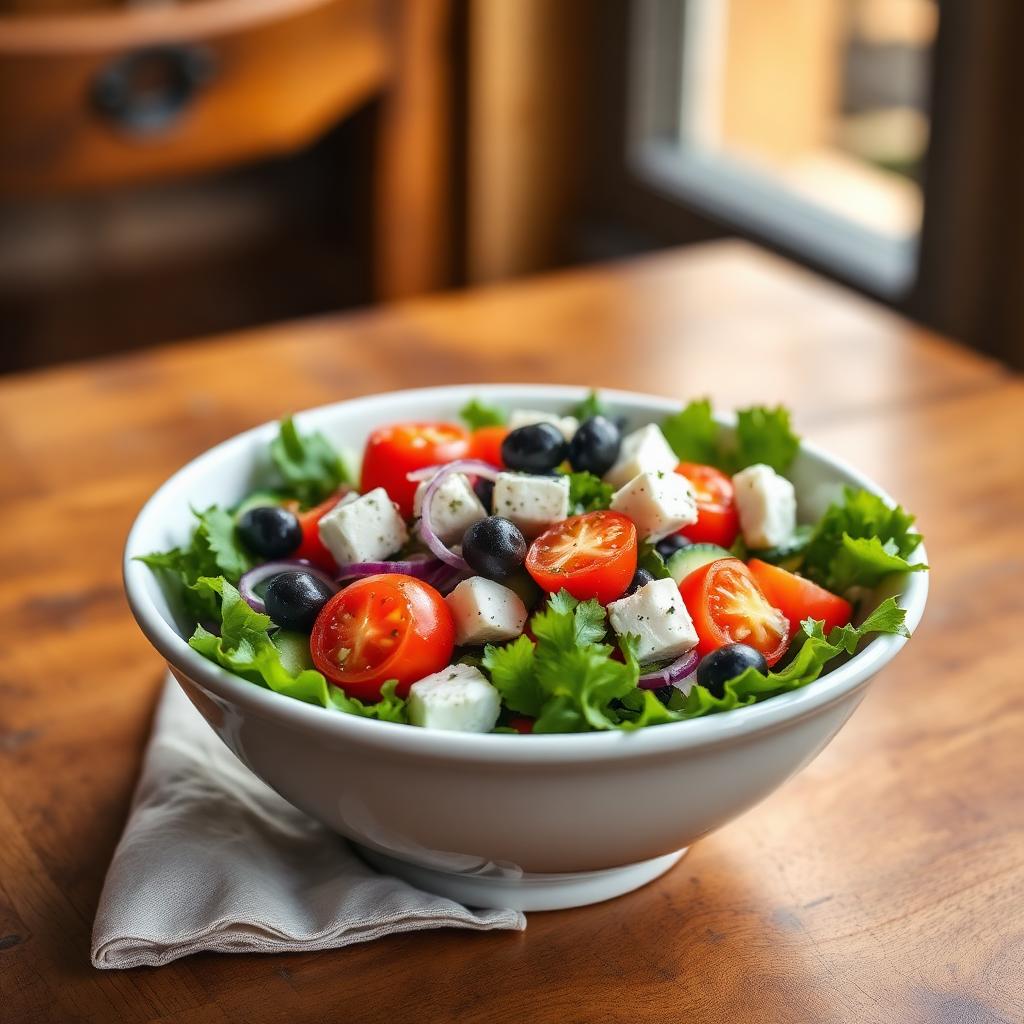
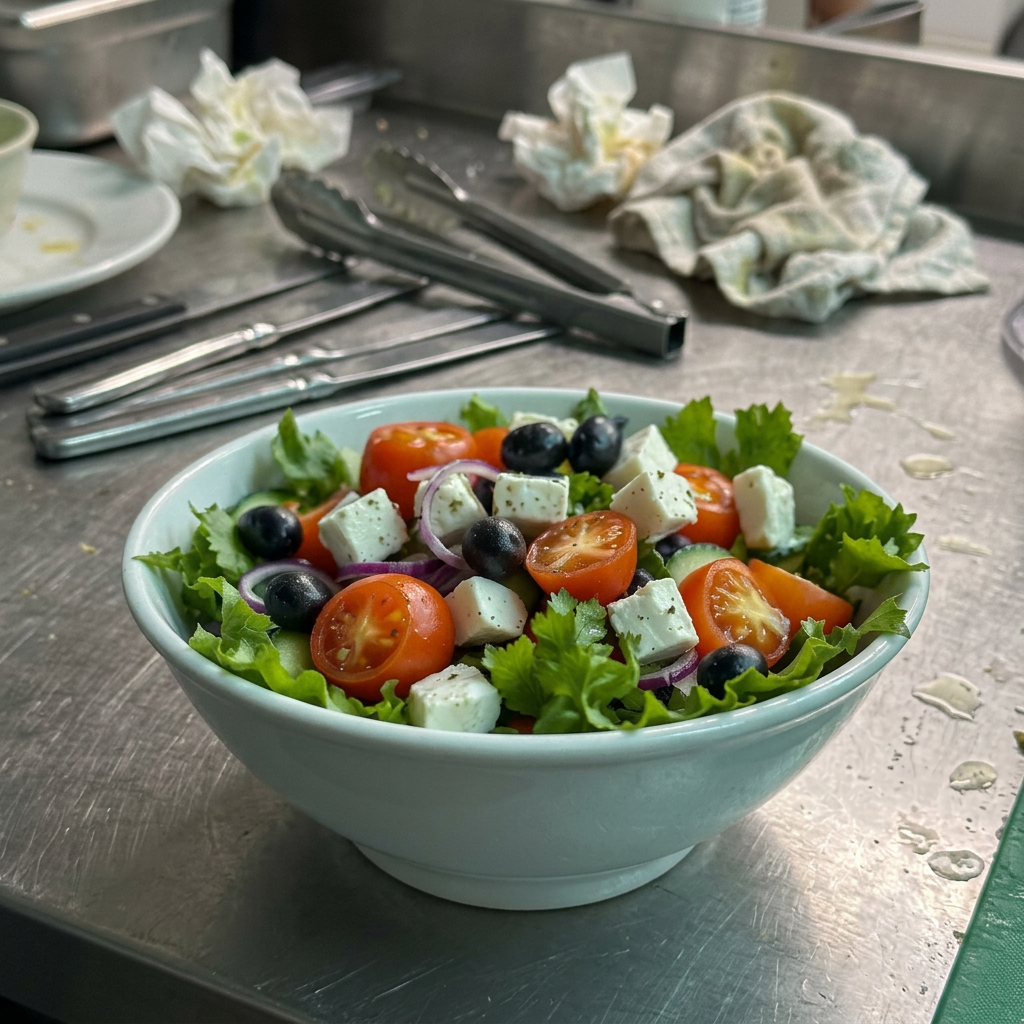
  • Lighting, white balance and shadows corrected
  • Cluttered table replaced by your chosen ambience
  • Food, portion and plate left untouched
  • The original photo is always kept
The same dish after Qarta corrected the lighting and set it on a warm wooden tableA raw phone snapshot of the dish under harsh kitchen lighting on a cluttered table Phone snapshot Polished by Qarta
Drag to compare. Left: the original phone photo. Right: the polished menu photo.

Why it matters commercially

Three places a generated image costs you money

Delivery platform rejection

Ordering platforms require imagery that represents the actual item. Generated dishes fail that review and can pull a listing.

Misleading information risk

Pictorial matter falls under fair information practices in EU food law. An invented garnish is a compliance problem, not a styling choice.

The table reaction

A plate that looks nothing like the photo produces a bad review even when the food is excellent. Accuracy protects your rating.

Questions

Real vs generated: questions

Why do delivery platforms reject AI-generated food images?
Major ordering platforms require photography that accurately represents the item being sold. A fully generated image is not a photograph of your food, so it fails accuracy review and can lead to listing removal or customer refunds. A corrected photograph of the real plate does not have that problem.
Is polishing a photo allowed under EU consumer rules?
Regulation (EU) No 1169/2011 requires that food information, including presentation and pictorial matter, does not mislead the consumer about the nature or characteristics of the food. Adjusting light and background does not change what is served. Inventing garnish, extra prawns or a bigger portion does.
Can I tell the difference in the result?
The plate, portion, garnish and vessel in a Qarta photo are exactly what your kitchen sent out, because they came from your photograph. What changes is that it no longer looks like it was shot under a warm bulb next to a till.
What if a guest thinks a photo looks too good?
That is why the original is never overwritten. Qarta keeps the untouched photograph alongside the published version, so you always have the before shot on file if anyone asks.
Do competitors do the same thing?
Most tools that market AI food imagery generate or heavily reimagine the dish, which is exactly the part platforms and consumer rules object to. The 'polished, never invented' constraint is built into how Qarta processes photos, not a promise in the copy.

Menu photos guests recognise when the plate lands

EUR 39.90 per month plus EUR 149 setup with printed QR stickers and staff training.